Competition Project
BIOcatalyst
Evolution by Design: Asphalt to Soil
- Year
- 2025
- Classification
- Competition Project
- Status
- Competition entry
- Location
- UK
- Team
- Gökalp Kalfa
- Prajesa Urip
- Catalina Cheptene
- Alicia Harjono
- Ruilin Qi
- Consultants
- TutorChristopher Maloney
- Organizer
- Make Architects – Future Spaces Foundation
- Recognition
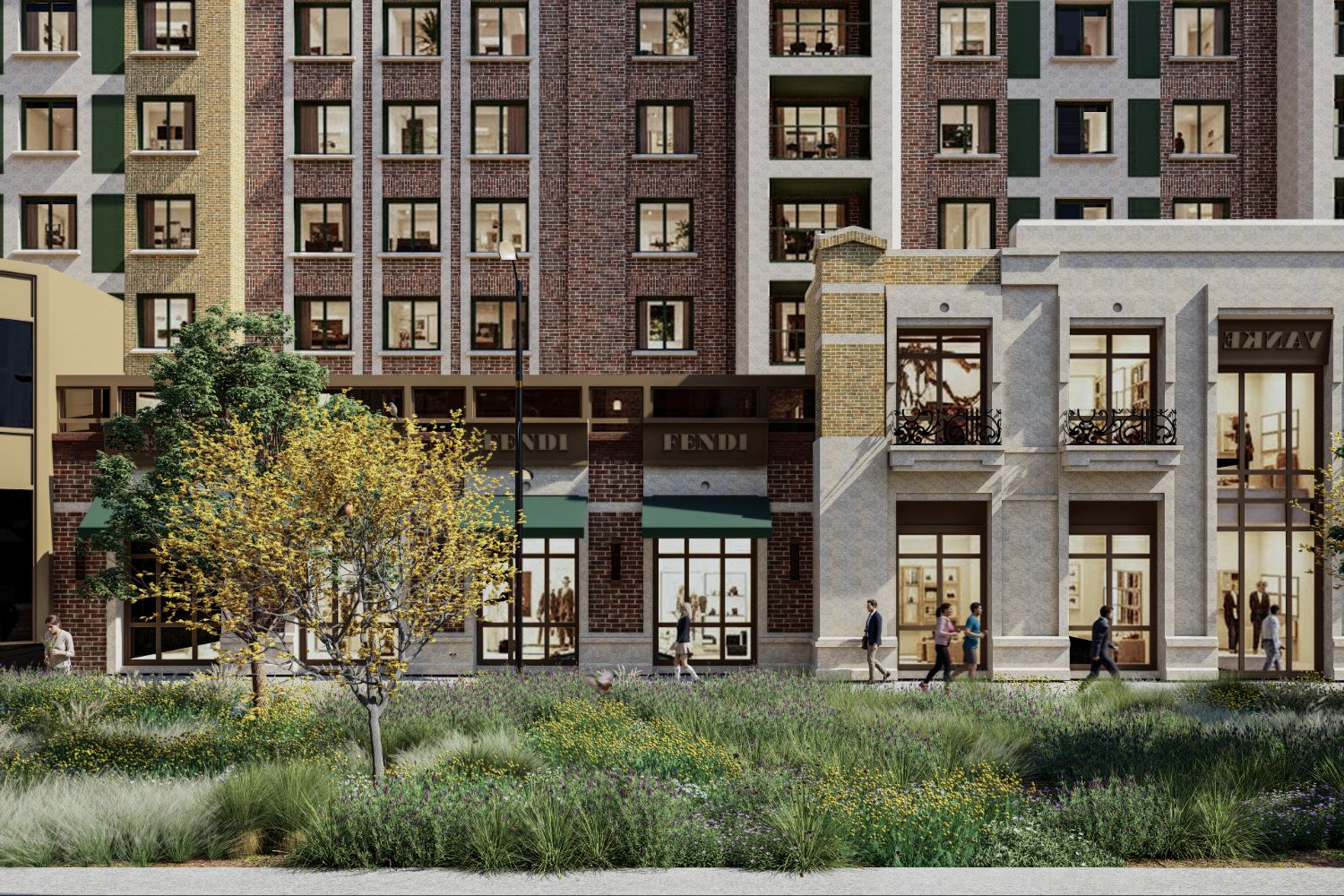
Biocatalyst is a speculative urban regeneration proposal developed for the Future Spaces Foundation Competition 2025, Nature in the City. Through comparative mapping of six major UK cities, the project investigates the relationship between road infrastructure and fragmented urban green spaces, using London as a primary scenario for ecological transformation. Rather than introducing isolated green interventions, Biocatalyst proposes reclaiming selected streets as interconnected ecological corridors that gradually restore nature within the urban fabric.
At the heart of the proposal is an innovative, biodegradable modular paving system designed to facilitate the transition from conventional asphalt to living landscapes. Composed of calcium lignosulfonate, a mycelium interlayer, a compost-based seed bank, jute felt, and a plant-fibre framework, the modules are conceived to support initial surface stability while gradually decomposing to enable vegetation growth. A series of planting configurations responds to different climatic conditions and habitat requirements, creating opportunities for urban biodiversity while improving rainwater infiltration and contributing to the mitigation of the urban heat island effect.
Recognising the complexity of existing transportation networks, the project introduces four road classifications, ranging from essential mobility corridors to fully pedestrianised green streets and dedicated cycling routes. A phased implementation strategy spanning 2025 to 2035 coordinates the gradual reduction of motorised traffic with public transport improvements and ecological succession, allowing the city to adapt progressively to new patterns of movement and public life.
Ultimately, Biocatalyst explores how urban infrastructure can evolve beyond its conventional function, transforming car-dominated streets into productive ecological landscapes that reconnect fragmented habitats, encourage social interaction, and establish a more resilient relationship between nature and the built environment.